
One of the main things an individual in recovery needs to remember is to focus on what they have accomplished. When you find yourself struggling, remember what it was like before your recovery began. It could have been when your binge drinking nearly killed you. I have always taught the clients I work with that their addiction will take them farther than they want to go, make them do things they would never do, and become the person they never wanted to be. Dr. Umhau recommends learning about Community Reinforcement Approach to Family Training (CRAFT). “The CRAFT program helps families stay connected, improve communication, and effectively encourage their loved ones to get into treatment while taking care of their own needs in the process,” he explains.
Understanding the Structure of Sober Living Homes
But, working in fast-paced restaurants from a young age led her to party with the staff who were older than her. From there, she began living a fast life where she drank, used, and created a life where all of her peers were doing the same. When she was 20, a friend of hers took her to a 12-step meeting that led Amy to be sober for about a year, but it didn’t stick. “I tried again in my 30s, but I relapsed as well,” she shares. Sobriety is becoming an increasingly popular lifestyle choice. However, we live in a culture where alcohol is a common ingredient in all social gatherings, making it difficult to discern what is typical usage and what is indicative of a greater issue.
Reduce time with friends who drink
From hangover free mornings to enjoying a night out without alcohol, these ideas are bound to inspire you to think about your drinking habits and put yourself first, no matter the setting. These responsibilities not only promote discipline but also rebuild your confidence and self-esteem as you take tangible steps towards rebuilding your life. Moreover, the structured environment helps to gradually reintroduce you to the challenges and stressors of daily life, but in a way sober life that doesn’t overwhelm you. Life after addiction might also mean you have more professional success and new creative outlets that you discover when drugs and alcohol aren’t occupying all of your time. Creating a vision board that encaptures your short-term and long-term recovery goals is a motivating tool to remain sober. These visual collages serve to display your wants and needs so that you can focus your attention and energy on manifesting your goals into a reality.
The Journey To Sobriety

Staying sober requires a person to analyze the reasons why they were using the substance, identify their personal triggers for relapse, and avoid falling into a pattern of use again. Sobriety can be a fixed-term goal like staying sober for a set period (such as Dry January), or a lifelong goal of staying sober from all substances. Sobriety can be a particularly challenging pursuit for someone with an addiction like alcohol use disorder. When I was drinking, it never occurred to me that I was an introvert. I would have classified myself as someone who loved to be around people and go out with them at night.
Messages About Love & Relationships
It wasn’t until I saw a therapist that I received homework that determined what mental health condition I had. So that I could receive proper treatment, if I hadn’t seen a therapist, I would remain undiagnosed and not adequately treated. If you relate and these are all new practices, then commit to five things and introduce the others once these have become habits.
One common mistake for those who are new to alcohol and drug recovery is substituting a new compulsive behavior for their old one. People new to recovery can find themselves approaching their new diet, exercise program, job, and even participation in support groups with a compulsion that echoes addiction. Many people who misuse alcohol or drugs have trouble dealing with anger. If left unchecked, anger can have a negative impact on your health and your lasting sobriety. Research shows that if you maintain these types of toxic relationships, your chances of relapsing are greater. To avoid relapse and remain sober, it’s important to develop healthy relationships.
Just being honest with each other and not having shame — which, to be honest, I don’t know why there’s any shame attached to addiction — it really catapulted me to getting sober. I’m not embarrassed about it, because I have said it all, and I’ll continue to say it all. I think when people have never had experience with addiction themselves or through someone close to them, they have this picture that’s in the movies of someone living in the streets or whatever it is. But I graduated from a private high school, I immediately went to college, and then I graduated college, and I always had a good job. It’s a transformative journey of self-discovery, resilience, and growth, where individuals find strength in the camaraderie of like-minded souls.
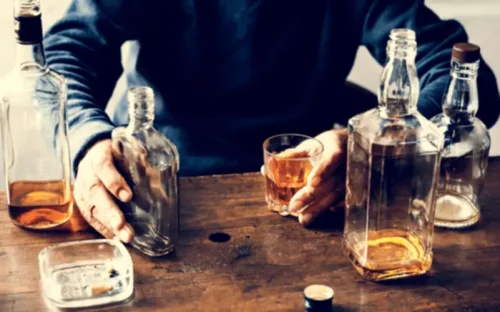
- Being sober empowers you to take control of your relationships, physical and mental health, and ambitions.
- Residents are usually required to be participating in active recovery.
- Since giving up alcohol, I’ve had numerous moments of true happiness.
- Another key difference between sober living homes and halfway houses is the level of support and services offered.
- Getting sober at a young age was difficult—she initially thought her social life would be over.
Living in a sober home will be similar to living in rehab, but here, you will continue to work or go to school and have financial independence. You’ll still attend group meetings and have a support system, but you can come and go out of the home whenever you’d like. There still are curfews, a no-tolerance policy toward alcohol and drugs, and other rules in place to ensure that residents can thrive in a positive, encouraging environment. Living in a sober home teaches you valuable life skills that aid in your independence.