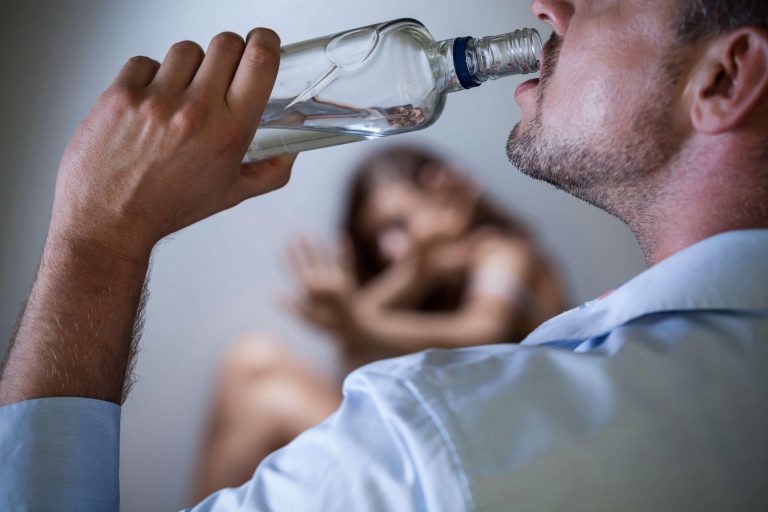
Stress-relieving techniques are critical for coping in sustained recovery. That’s why it’s important to never use alone and to carry an opioid reversal drug such as Narcan. Once you figure out your own triggers, think about something you can do instead of substance use for each one. Could you wrap up each day with a long walk instead of a cocktail? If paying the bills makes you too cranky, be ready to call your sponsor when they’re due. This article will take an in-depth look into relapse after getting clean and what to do about it.
If you do not have a network of supportive people, you should try to find one; fortunately, you have options. You may use AA, SMART Recovery, or other support groups to help you in this process. Alternatively, you may start to look into more formal treatment. A relapse can be a one-off event or even a short-term situation, but it is a part of your recovery.
What Happens If I Relapse?
If a particular risk factor is present, this will increase the likelihood of a relapse. Some common risk factors for relapse include the following. During addiction treatment, you may learn to watch out for SIDs that may jeopardize their recovery. SIDs can be deceptive since these decisions may seem unrelated to alcohol or drug use. Once you’re aware of these stages, you may be able to prevent the physical relapse by identifying the early warning signs. Addiction is a long-term condition, like asthma, diabetes, or high blood pressure.
That’s about the same as relapse rates among people with asthma or high blood pressure if they stop taking their medicine. What’s key is to recognize the early signs of relapse, so you can stop a backslide before it starts. Immediately after a relapse, you should contact your support network to assemble a game plan.
Choose Recovery Over Addiction
In this phase of alcohol relapse, the individual will experience symptoms of defensiveness, anxiety, mood swings, intolerance, isolation, anger, poor eating and sleep habits, and they might refuse to go to meetings. Even though someone has been through treatment alcohol relapse rate and has been sober for decades, addiction can rear its ugly head anytime and the person suffering with alcohol addiction can relapse on alcohol. Don’t let this situation or cravings make you feel down or like you haven’t achieved something amazing already.